Living Well at Home
Eating Well Alone
On appetite, pleasure, and the practical realities of cooking for one as you get older.
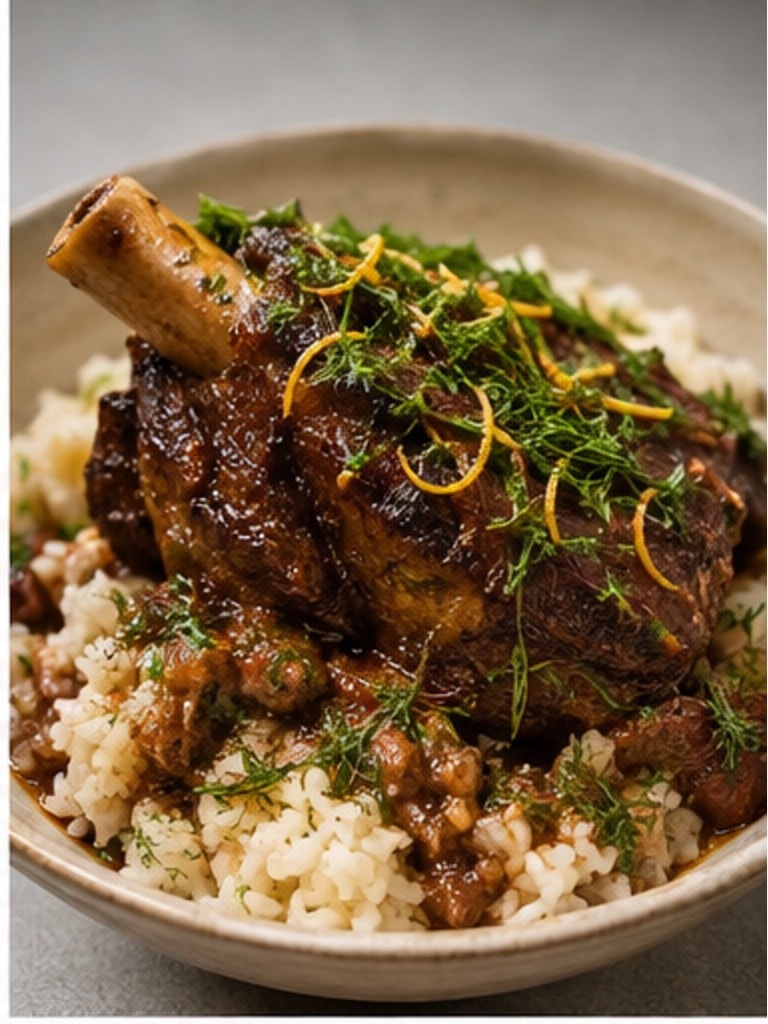
Cooking for one is one of the more quietly difficult things about living alone. Not impossible. Not a crisis. Just persistently harder than it should be, in ways that accumulate over time.
Most recipes are written for four. Most ingredients are sold in quantities that make sense for a household. A head of cabbage. A dozen eggs. A bunch of herbs that will go soft before you've used a third of them. The economics and logistics of cooking for one person are genuinely awkward, and the older you get, the more that awkwardness costs.
The Appetite Problem
Appetite tends to decrease with age. This is well-documented and has multiple causes — changes in taste and smell, medication effects, reduced physical activity, the simple fact that a smaller body requires fewer calories. For many older adults, the challenge is not eating too much but eating enough, and eating enough of the right things.
When you're not very hungry, the motivation to cook a proper meal is low. It is much easier to have crackers and cheese, or a bowl of cereal, or simply to skip the meal. These choices are understandable. They are also, over time, a problem.
Good food — food that is appealing, that smells right, that is already prepared and waiting — changes this calculation. When the refrigerator contains a proper meal that requires only reheating, the barrier to eating well is almost nothing. You don't have to want to cook. You just have to be willing to eat.
The Pleasure Problem
Food is more pleasurable when it is shared. This is not sentiment — it is physiology. Eating with others increases appetite, extends the duration of meals, and is associated with better nutritional outcomes across age groups. Eating alone, by contrast, tends to be faster, less varied, and less satisfying.
We cannot solve the social dimension of eating alone. That is beyond our scope, and we would not pretend otherwise. But we can make the food itself worth eating. We can make it something that a person looks forward to, that has flavor and variety and the quality of something made with care. We can make the meal itself a small pleasure, even when it is eaten alone.
What Actually Helps
In our experience, a few things make a meaningful difference for older adults eating alone.
Variety. Eating the same thing repeatedly — even something good — leads to appetite fatigue. A week's worth of different dishes, with different flavors and textures, keeps eating interesting.
Accessibility. Food that requires significant preparation to eat is food that often doesn't get eaten. Everything we prepare is ready to eat with minimal effort — reheat and serve, or eat cold if that's preferred. The path from hungry to fed should be as short as possible.
Appropriate portions. Oversized portions are discouraging and lead to waste. We portion for the individual — smaller, more frequent options rather than large servings that feel overwhelming.
Something to look forward to. A small treat, a favorite dish, something that feels like a little luxury — these things matter more than they might seem. Eating well alone is partly a practical problem and partly a motivational one. Making the food genuinely enjoyable addresses both.
A Practical Note
If you are an older adult reading this, or a family member thinking about someone you love: the goal is not perfection. It is not a nutritionally optimized meal plan or a rigorous dietary regimen. The goal is eating well, regularly, with some pleasure, without it being a burden.
That is achievable. It just sometimes requires a little help.
Stay at the Table
Good food, useful ideas and a little inspiration from our kitchen to yours.
Receive occasional stories, seasonal recipes, Savoyage news and practical ideas for making life at home a little easier.